
Quick answer: High energy density battery store more electrical energy per unit of weight or volume, thereby providing longer runtimes. High power density battery can deliver higher instantaneous currents and support faster charging and discharging per unit of weight or volume. There is an inherent trade-off between the two: improving one usually comes at the expense of the other.
High Energy Density Battery vs. High Power Density Battery
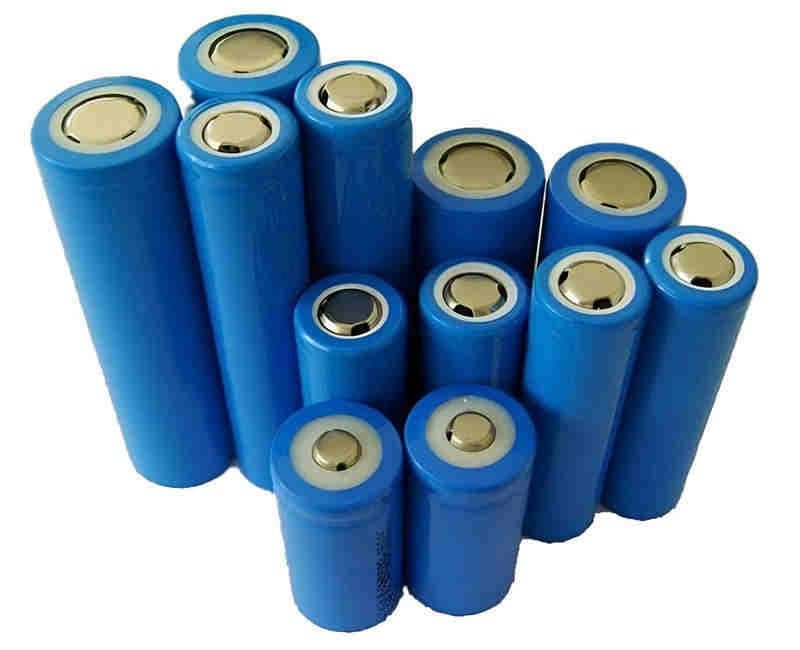
What are Energy Density and Power Density?
Energy density measures the total amount of energy a battery can store relative to its weight or volume, expressed in watt-hours per kilogram (Wh/kg) or watt-hours per liter (Wh/L). A higher Wh/kg rating means the device can operate longer before needing a recharge.
Power density measures the rate at which a battery can deliver energy, expressed in watts per kilogram (W/kg) or watts per liter (W/L). A higher W/kg rating allows the battery to deliver higher current pulses—and charge more rapidly—without overheating.
High energy density battery prioritize energy storage; they typically feature slower charge/discharge rates and higher internal resistance. High power density battery prioritize power output; they generally offer faster charge/discharge rates and relatively lower internal resistance.
Why can't Batteries Simultaneously Achieve High Energy Density and High Power Density?
High energy and high power cannot be simultaneously achieved in a battery; this conflict is clearly evident at the electrode level. High energy density batteries require thick electrodes packed with more active material, enabling greater energy storage per unit area. Conversely, high power density batteries require thin electrodes, where shorter ion transport distances facilitate the rapid movement of lithium ions and electrons.
As electrodes become thicker, lithium ions face longer diffusion paths. This leads to mass-transfer limitations, increased battery polarization, underutilization of active materials, and excessive heat generation during high-rate operation. In other words, a design that maximizes energy storage inherently imposes physical constraints on rapid power output.
Energy Density and Power Density of Common Battery Chemistries
Lithium Iron Phosphate (LFP) falls into a category that is relatively balanced but leans slightly toward power performance. While its energy density is not particularly high within the lithium-ion family, it offers excellent rate capability—maintaining a stable voltage plateau during high-rate discharge—and a long cycle life. Consequently, it is suitable for cost- and longevity-sensitive applications such as energy storage systems and entry-level electric vehicles, while also performing well in scenarios requiring high power output, such as power tools.
Ternary Lithium (NMC) typically stands out for its high energy density. Capable of storing more energy with less weight and volume, it is widely used in long-range electric vehicles and high-end consumer electronics. Its power capability is moderate and can be adjusted through material composition and electrode design.
Application
High energy density batteries are typically used in long-range electric vehicles, grid-scale energy storage, and portable electronic devices. High power density batteries are typically used in hybrid electric vehicles, power tools, and similar applications.
Summarize
For a long time, battery energy density and power density have acted like the two ends of a seesaw; improving one often required sacrificing the other. However, battery technology is advancing rapidly: innovations such as lithium-metal anodes, solid-state electrolytes, structured electrodes, and advanced materials and manufacturing processes are aiming to facilitate more efficient ion and electron transport, thereby simultaneously boosting energy storage capacity and charge-discharge speeds. Although these solutions are not yet ready for mass commercialization, the future emergence of batteries that offer both high capacity and rapid power delivery is entirely possible. When that happens, electric vehicles, energy storage systems, and portable devices will no longer require a significant trade-off between range and power.