
Temperature has a far more profound impact on batteries than most people realize. Batteries are essentially electrochemical systems, and the internal ion migration, chemical reaction rates, and material stability are all directly affected by temperature. Both excessively high and low temperatures can impact battery performance.
When charging and discharging nickel-metal hydride (NiMH) batteries, several factors need to be considered, especially the battery’s performance and lifespan at extreme temperatures. Today, we’ll take a look at the temperature range for nickel-metal hydride(NiMH) batteries.
What is the Temperature Range for NiMH Battery?
Generally, the temperature range for nickel-metal hydride (NiMH) batteries is -40°C to 85°C. However, please note that not all NiMH batteries have this temperature range. Standard NiMH batteries are designed for everyday use in moderate environments, and their typical temperature range is 0°C to 50°C. NiMH batteries designed for extreme environments, such as high-temperature NiMH batteries, can have a temperature limit as high as 85°C. Low-temperature NiMH batteries can have a temperature limit as low as -40°C.
Using standard NiMH batteries outside their optimal temperature range will affect their performance. At low temperatures, the internal resistance of NiMH batteries increases, reducing usable capacity and charge acceptance, and shortening battery life; at high temperatures, cycle life and self-discharge rate deteriorate, accelerating aging.
Small temperature variations near room temperature have little effect on the voltage curve, but extreme temperatures accelerate aging and reduce efficiency. It is recommended to store NiMH batteries within a suitable temperature range to maximize their lifespan. Low self-discharge NiMH batteries can retain up to 85% of their capacity after one year of storage at room temperature. These temperature ranges make standard NiMH batteries suitable for many household electronic devices, but careful management is required when used in areas with fluctuating climates.
For special environments, wide-temperature-range NiMH batteries, such as high-temperature NiMH batteries and low-temperature NiMH batteries, can be considered.
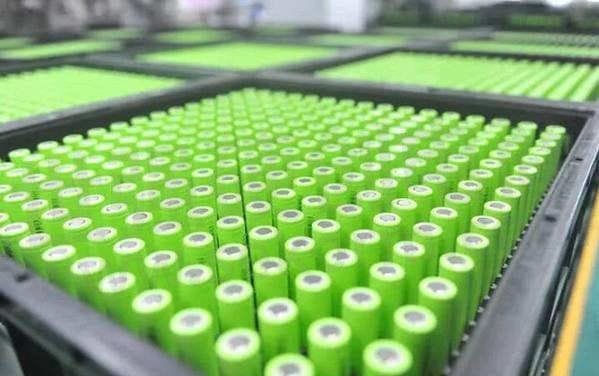
What are High Temperature NiMH Battery?
High-temperature nickel-metal hydride (NiMH) batteries are a variant of standard NiMH batteries, designed to operate reliably at higher temperatures. Their main characteristic is their strong resistance to high temperatures, maintaining good performance even in high-temperature environments.
Standard NiMH batteries are prone to capacity degradation under high-temperature conditions, affecting their lifespan and performance stability. Through material innovation and process improvements, high-temperature NiMH batteries have extended their temperature range, reaching up to 85°C while maintaining battery performance and cycle life.
What is the Temperature Range for High Temperature NiMH Battery?
High-temperature nickel-metal hydride (NiMH) batteries exhibit excellent adaptability to extreme environments, typically operating within a temperature range of -20℃ to 70℃, and reaching up to 85℃. Within this wide temperature range, they maintain stable charging and discharging performance while sustaining high levels of operational efficiency and energy retention.
The outstanding heat resistance and thermal stability of high-temperature NiMH batteries enable them to effectively avoid accelerated performance degradation or structural damage caused by high temperatures, even under high-temperature operating conditions. This inherent stability is a key reason why high-temperature NiMH batteries achieve longer cycle life and higher operational reliability compared to other battery types.
Applications of High Temperature NiMH Battery
High-temperature NiMH batteries are widely used, providing safe, durable, and environmentally friendly power for high-temperature electricity demands in various industries. Their main applications include:
1. Automotive electronics and in-car systems: Providing stable power for automotive T-BOX and GPS devices in high-temperature environments such as engine compartments, and supporting the high-rate discharge required for vehicle starting.
2. Industrial and energy sectors: Widely used in coal mine emergency UPS systems, outdoor telecommunications equipment, industrial control systems, and other scenarios, ensuring uninterrupted operation in high-temperature, confined, or unattended environments.
3. Infrastructure and special applications: They can also be used in fire emergency lighting, backup power for lighthouses, medical equipment, and outdoor high-temperature lighting fixtures, providing reliable protection at critical moments.
What is Low Temperature NiMH Battery?
Low-temperature nickel-metal hydride (NiMH) batteries are a variant of standard NiMH batteries, specifically designed for low-temperature environments. They address the challenges of cold weather, extending the operating temperature range to -30°C to -40°C.
In low-temperature environments, standard NiMH batteries experience a decrease in capacity and peak current capability, and their charge acceptance (ability to accept charge) is significantly reduced, especially below 0°C. Low-temperature NiMH batteries, however, operate normally even below freezing point without significant capacity loss, maintaining up to 80% efficiency at -30°C.
The characteristics of low-temperature NiMH batteries make them ideal for applications in cold outdoor or remote areas, including wearable footwear, IoT communication devices, glacier exploration equipment, polar research instruments, mine exploration equipment, handheld scanners, outdoor instruments, and other devices used in cold climates.
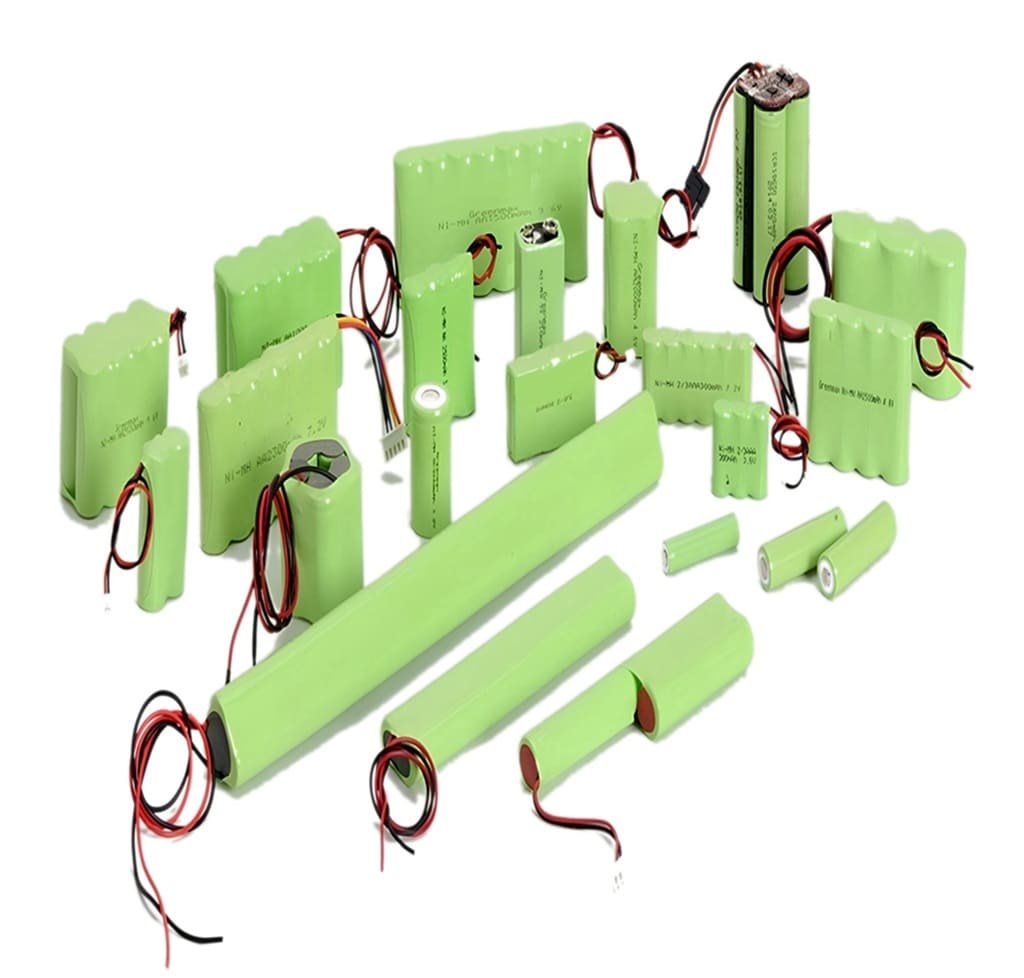
Comparison of the Temperature Ranges of NiMH Battery and Other Batteries
NiMH Battery vs. Alkaline battery
The typical temperature range for alkaline batteries is -20℃ to 50℃. Compared to NiMH batteries, alkaline batteries are not suitable for extreme environments; they are prone to leakage at high temperatures and experience significant capacity degradation at low temperatures. Furthermore, they are non-rechargeable batteries and are best suited for everyday low-power devices.
NiMH Battery vs. Lithium ion Battery
The temperature range for lithium-ion batteries is typically -20℃ to 60℃, depending on the chemical composition. Compared to NiMH batteries, lithium-ion batteries have poorer high-temperature stability and are more prone to thermal runaway, requiring a strict temperature control system. However, the advantages of lithium-ion batteries, such as high energy density and long cycle life, cannot be ignored. With technological advancements and widespread use, there may be further progress in expanding their temperature range.
NiMH Battery vs. NiCD Battery
NiCD batteries typically operate within a temperature range of -20℃ to 50℃. Compared to NiMH batteries, NiCD batteries also perform well at low temperatures, but they experience rapid capacity degradation at high temperatures, have a lower energy density, and pose environmental pollution problems.
NiMH Battery vs. Lead-acid Battery
The typical temperature range for lead-acid batteries is -20℃ to 50℃. Compared to NiMH batteries, lead-acid batteries will freeze and be damaged at temperatures below -20℃; high temperatures will shorten their lifespan, but temperature compensation helps mitigate this.
Summary
As a supplier of NiMH batteries, NBCELL specializes in NiMH battery technology. Our high-temperature NiMH batteries provide stable performance at high temperatures, up to 85°C, making them ideal for industrial applications. Similarly, our low-temperature models operate reliably at low temperatures, perfect for outdoor and remote applications. These wide-temperature range NiMH batteries undergo rigorous testing and have obtained multiple international certifications, ensuring safety, stability, and reliable performance.
We offer a variety of NiMH battery specifications for different application scenarios, with a wide range of capacities and product models including AA, AAA, A, SC, and C. In addition to NiMH battery cells, we can also provide customized NiMH battery pack services according to customer needs. For specific customization details, please refer to: Customized NiMH Battery Packs. Please feel free to contact us with any requirements; we will provide you with the best power solutions!